Enjoying Botanical Gardens
Botanical gardens are far more than collections of pretty plants. They are living museums, research hubs, and sanctuaries rolled into one — places where science and beauty exist side by side. Whether you visit for a quiet afternoon stroll or to learn something new about the natural world, there is always something to discover.
A brief history of botanical gardens
The earliest botanical gardens date back to 16th-century Europe, where they were established primarily for medicinal research. Universities in Pisa and Padua created some of the first formal gardens, using them to study the healing properties of plants. Over the centuries, their purpose broadened significantly. Today, botanical gardens serve as centres for conservation, education, and public enjoyment — a long way from their origins as academic herb patches.
What makes botanical gardens unique
Unlike a typical park, botanical gardens are carefully curated. Every plant has a label, a story, and a purpose. Many gardens are organised by region, climate, or plant family, allowing visitors to travel — in a sense — from a tropical rainforest to an alpine meadow within a single afternoon. This deliberate design makes them endlessly fascinating for curious visitors of all ages.
The conservation role of botanical gardens
One of the most important functions of modern botanical gardens is conservation. Thousands of plant species are currently threatened by habitat loss, climate change, and human activity. Botanical gardens maintain seed banks and living collections that act as a safety net for endangered species. The Royal Botanic Gardens at Kew, for example, houses one of the largest and most diverse botanical collections in the world, playing a vital role in global plant conservation efforts.
Tips for getting the most out of your visit
A little preparation goes a long way. Visiting during the spring or early summer typically offers the most impressive displays, as many plants are in full bloom. It is also worth checking whether the garden offers guided tours, as knowledgeable guides can bring the collections to life in ways that signage alone cannot. Bring comfortable shoes, a notebook if you enjoy sketching or journalling, and allow more time than you think you will need — botanical gardens have a way of slowing you down.
Botanical gardens as a space for wellbeing
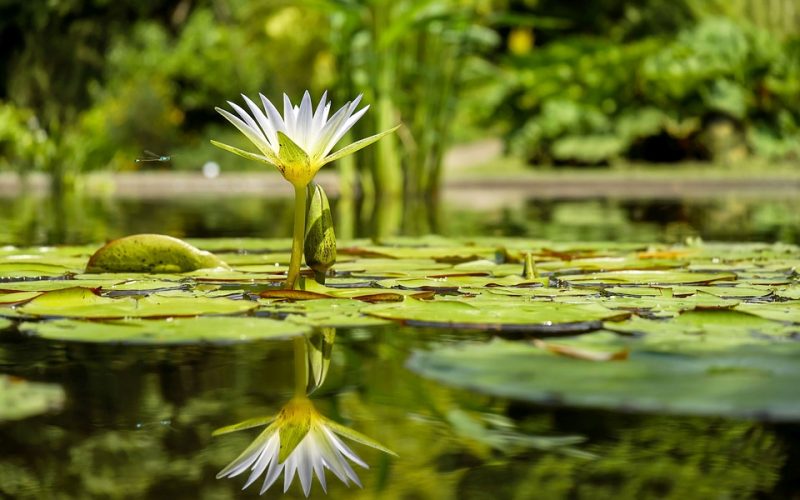
Research consistently supports what many visitors already know instinctively: spending time in green spaces is good for mental health. Botanical gardens, with their peaceful atmosphere and natural beauty, offer an accessible form of restorative experience. A slow walk through a walled garden or a quiet moment beside a lily pond can do a great deal to clear the mind and reduce stress.
Finding a botanical garden near you
Most major cities around the world are home to at least one botanical garden, and many smaller towns have their own horticultural gems waiting to be explored. Visiting one is a simple, affordable, and rewarding way to connect with the natural world — no specialist knowledge required. All it takes is a free afternoon and a genuine curiosity about the plants that share our planet.